Rehabilitation usually follows a structured sequence that moves from stabilization to long-term recovery support. Most people begin with assessment and medical review, followed by structured therapy and relapse prevention planning. Ongoing support, such as outpatient care, recovery groups, and alumni programs, helps maintain progress after formal treatment ends.
Rehabilitation Center, Wyomissing
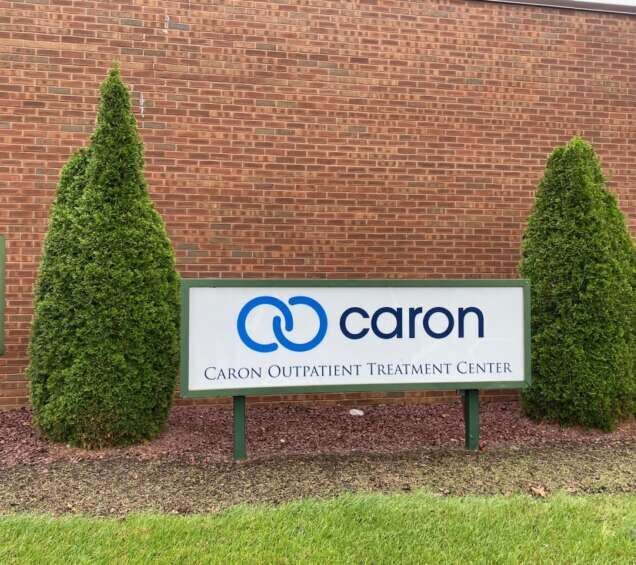
In Wyomissing, Pennsylvania, our rehabilitation services help you recover from substance use involving alcohol, opioids, heroin, ecstasy, and other drugs. This page explains drug and alcohol rehab programs and outpatient drug rehab available through our addiction treatment center in Wyomissing. You begin with a clinical assessment that identifies the right level of care for your situation. Treatment focuses on stabilization, relapse prevention, and recovery skills that support long-term sobriety.
Caron Outpatient Treatment Center
845 N Park Rd, Wyomissing, PA 19610, United States
Mon: 8:00 am - 9:00 pm
Tues: 8:00 am - 9:00 pm
Wed: 8:00 am - 7:00 pm
Thurs: 8:00 am - 9:00 pm
Fri: 8:00 am - 3:00 pm
Sat: Closed
Sun: Closed
Please call 877-544-5881 to check for availability and schedule an appointment
Drug and Alcohol Rehab, Wyomissing
Our drug and alcohol rehab programs in Wyomissing treat substance use disorders involving alcohol, opioids, heroin, ecstasy, and other drugs. You participate in structured therapy that addresses substance use patterns, relapse triggers, and the daily behaviors that support recovery. Treatment includes group therapy, individual counseling, and recovery education focused on practical relapse prevention. We serve adults and teens in Wyomissing and nearby West Reading who need structured rehabilitation support after detox or early stabilization.
Outpatient Drug Rehab, Wyomissing
Our outpatient drug rehab in Wyomissing helps you treat substance use while continuing work, school, or family responsibilities. You attend scheduled therapy sessions that focus on relapse prevention, behavior change, and recovery planning. Treatment includes group therapy, individual counseling, and clinical monitoring that support steady progress. Many people in Wyomissing and nearby Wyomissing Hills choose outpatient rehab after detox or residential care. The program helps you apply recovery skills in daily life while staying connected to a clinical team.
Driving Directions to Our Wyomissing Center
Our Wyomissing center is located on Park Rd, with convenient access from major roads serving the Greater Reading area. On-site parking is available, including a wheelchair-accessible car park and accessible entrance for added ease.
Driving Directions from Granite Point Drive in Wyomissing:
Head southwest on Garfield Ave toward Lake Ave
Turn left at the first cross street onto Lake Ave
Turn left onto Reading Blvd
At the traffic circle, take the second exit and stay on Reading Blvd
Turn right onto Penn Ave
Turn left onto N Park Rd
Continue on N Park Rd; our center will be on the right
Questions People Ask About Rehabilitation Centers in Wyomissing
After rehab, most people continue recovery through aftercare services such as outpatient therapy, recovery coaching, and peer support groups. These services help you manage triggers, strengthen coping skills, and stay connected to a recovery community. Many programs also provide alumni groups and family support to reinforce long-term sobriety.
Admission usually begins with a confidential phone or online assessment to understand your substance use history and clinical needs. The clinical team reviews your medical history, treatment goals, and level of care needed before recommending the right program. Once approved, scheduling and program orientation are arranged so treatment can begin quickly.
The three common therapies used in rehab for substance use disorders are Cognitive Behavioral Therapy (CBT), Dialectical Behavior Therapy (DBT), and Motivational Interviewing (MI). CBT helps you recognize thought patterns that lead to substance use, DBT builds emotional regulation and distress tolerance, and motivational interviewing strengthens commitment to recovery.
The most difficult part of rehabilitation is often confronting the emotional and psychological issues connected to substance use. Many people begin addressing trauma, guilt, or long-standing stress patterns that contributed to addiction. Therapy and peer support help you process these issues while developing healthier coping strategies.

Take the next step:
- Caron in Pennsylvania 1-800-854-6023
- Caron in Florida 1-800-221-6500
- Breakthrough at Caron 1-800-213-7834
Start with an online form