









The therapies Caron’s neurotherapy staff use are noninvasive, safe, and painless. Nothing enters the skin or the brain.
Neurotherapies
Improve your well-being and resilience by transforming how your brain functions.
Caron's comprehensive neurocognitive approach integrates advanced technologies targeting the brain alongside traditional, evidence-based therapy modalities, capitalizing on neuroplasticity to rewire the brain, optimize function, and aid and advance the body’s natural ability to heal itself – creating a foundation for self-regulation and resilience.
Caron views substance use and addiction, as well as other emotional and behavioral challenges, as a physical issue. Just as the heart may have cardiovascular problems, the brain and nervous system may also dysregulate, causing or contributing to addiction, anxiety, and depression, among others.
We use neuroplasticity—the brain’s ability to change through rewiring and growth—to transform the way your brain and nervous system function. Our neurotherapies allow you to manage substance use/addiction, anxiety, depression, traumatic brain injury, ADHD, sleep disorders, and other brain-related issues and increase well-being.
Neurotherapy Services
Caron’s experienced, caring neurotherapy staff provides innovative, proven services that can restore and rehabilitate your neural pathways, providing a sustainable, stable foundation for life in recovery.
The first step is to assess your brain and nervous system to observe how your brain functions and how it represents your symptoms and concerns. We use QEEG (quantitative electroencephalogram), an advanced assessment tool that measures and analyzes brainwave activity to create a brain map.
Caron’s neurotherapy team analyzes the map to see what areas of your brain would benefit from neurotherapy to optimize function, much like training the body to get fit, and develops a treatment plan.
Benefits of Integrative Neurotherapies
Alpha-Stim therapy (cranial electrical stimulation) promotes calmer electrical signals in the nervous system to reduce craving associated with substance use disorder and alleviate the symptoms of depression, anxiety, PTSD, insomnia, and chronic pain. (PA, FL, ATL)
Brain-mapping/QEEG provides a baseline assessment of the brain’s electrical function. (PA, FL, ATL)
Heart rate variability (HRV) assessment measures the balance and flexibility of the autonomic nervous system. By tracking how the body responds to stress and recovery, HRV provides valuable insights into emotional regulation, resilience, and overall wellness. (PA, FL, ATL)
Neurofeedback therapy teaches the brain how to optimize brain activity and reinforce healthy function to reduce stress, anxiety, and discomfort and increase attention and focus. It can also help people adopt new healthy behaviors and deal with triggers that may lead to relapse. (PA, FL, ATL)
The Safe and Sound Protocol (SSP) gently supports regulation of the autonomic nervous system through filtered music, helping individuals feel more grounded and at ease. By improving the body’s ability to process sensory and emotional information, it enhances resilience in challenging situations. (PA and FL)
Transcranial magnetic stimulation (TMS) uses targeted magnetic pulses to strengthen and restore neural pathways involved in mood, motivation, and behavioral regulation. This noninvasive treatment can significantly reduce symptoms of addiction, depression, anxiety, and other mental health conditions. (FL)
Noninvasive, Safe, and Painless
Caron’s neurotherapies are noninvasive, safe, and painless. Our integrative neurotherapies include:
- Alpha-stim therapy
- Brain-mapping/QEEG
- Heart rate variability (HRV)
- Neurofeedback therapy
- Safe and Sound Protocol (SSP)
- Transcranial magnetic stimulation (TMS)
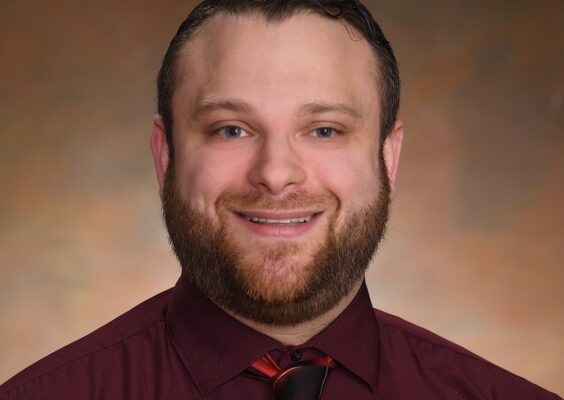
Ciaran Tracey leads Caron’s Neurotherapy Services Department. Ciaran has worked in the behavioral healthcare field for nearly a decade, implementing and maintaining neurotherapy programs, primarily in facilities treating substance abuse and mental health. He is board-certified as a quantitative EEG–diplomate (QEEG-D), indicating competency in analysis of electroencephalographic data (EEG) and QEEG. He has a Master of Science in Applied Psychology from Lynn University, Boca Raton, Florida.
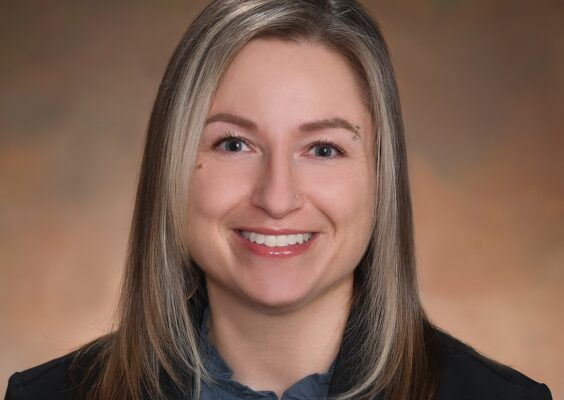
Expert, compassionate technicians provide neurotherapy services.
FAQs
For QEEG/brain mapping and neurofeedback, a cap with 19 sensors is placed on your head and a water-based gel is placed into the sensors to record brain activity. To obtain your QEEG brain map, sensors will record activity for 10 minutes with your eyes open and then 10 minutes with eyes closed.
The neurotherapy/neurorehabilitation staff analyze the data to assess the brain’s function and how it correlates to your symptoms and concerns.
During neurofeedback, you engage with video, music, or games while brain activity is monitored in real time. When brain activity is most optimal, you receive positive feedback on the media player. Conversely, when brain activity is less optimal, you receive negative feedback from the media player.
As you advance through sessions, your brain learns to reorganize its electrical patterns based on the feedback training and move towards optimal functioning. Sessions last about 30 minutes.
Electrodes clipped to the ears apply a safe electrical current (millionths of an ampere) to the brain. This unique and patterned waveform can correct dysregulated electrical signals and calm the nervous system. You may experience immediate relaxation and reduction in anxiety-based symptoms. Alpha-Stim provides therapeutic, lasting results without the risks of dangerous side effects, tolerance, and addiction.
During the HRV assessment, a small sensor is placed on your earlobe or finger to measure your heart rate in real time while you sit comfortably. This data allows us to observe how your heart and autonomic nervous system respond to rest and stress. Your clinician will review the results with you to help you understand your current level of physiological regulation and overall stress resilience.
In an SSP session, you’ll listen to specially filtered music designed to support feelings of safety and calm as your provider observes how you respond to different sound frequencies. The session follows a gentle, theme-guided approach, such as grounding, curiosity, or regulation, to help you tune into your body’s signals and comfort level. Your provider will adjust the listening pace and activities, such as drawing or mindful breathing, to ensure a supportive and personalized assessment experience.
The impacts of neurotherapy are relative to the individual and It is important to note that these therapies are supplemental to lifestyle. Maintaining positive daily habits such as practicing clinical/therapeutic techniques and exercising, eating healthily, and getting a good night's sleep support the therapeutic benefits. The more we reinforce positive habits, the greater the capacity for our brain to permanently change as a result of neurotherapy.
The nervous system is an electrical circuit. The brain and body fire electrical signals back and forth as a form of communication. The brain is constantly sending and receiving electrical signals to experience and perceive life events. Neurotherapy helps change those patterns and signals to correct what has become dysregulated through negative habit formation, such as stress or substance use.
Our experiences and habits in life shape how our nervous system fires. A constant state of stress can be difficult to alleviate because our nervous system has adapted to look for stress without our conscious awareness. Neuroplasticity is the ability of the brain and nervous system to relearn, adapt, and change. We can use neuroplasticity to change negative habits and create new neural pathways that reinforce more positive functioning.
The impacts of neurotherapy are relative to the individual. It is important to note that these therapies are supplemental to lifestyle. Maintaining positive daily habits such as practicing clinical/therapeutic techniques, exercise, nutrition, sleep etc. support neurotherapy's benefits. The more we reinforce positive habits, the greater the capacity for our brain to permanently change as a result of neurotherapy.

Take the next step:
- Caron in Pennsylvania 1-800-854-6023
- Caron in Florida 1-800-221-6500
- Breakthrough at Caron 1-800-213-7834
Start with an online form