Signs someone may need counseling include losing control over substance use, strong cravings, and difficulty meeting work, school, or family responsibilities. You may also notice mood swings, secrecy, social withdrawal, or ongoing stress that feels hard to manage. Counseling helps identify these patterns and build practical coping strategies.
Counselor, Wyomissing
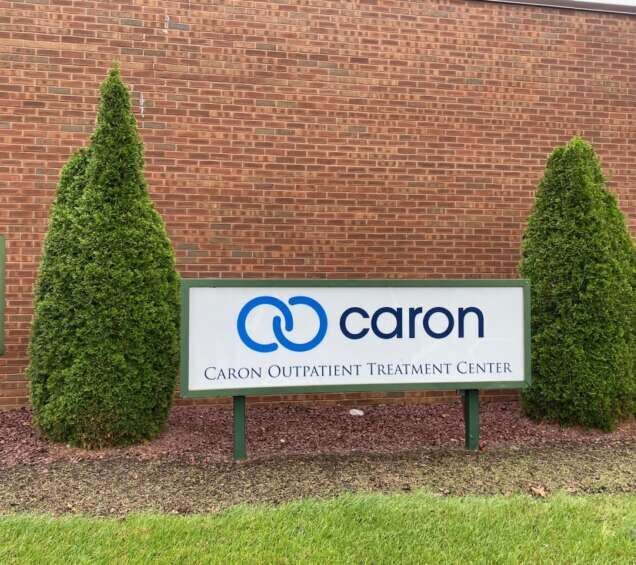
In Wyomissing, Pennsylvania, counseling services help you address addiction, trauma, and mental health symptoms that affect daily life. Our addiction treatment center provides therapy that supports recovery, emotional stability, and healthier decision-making.
On this page, you will learn about the counseling services available at our addiction treatment center in Wyomissing and how each service helps during recovery. Most people begin with a clinical assessment that identifies the right counseling format.
Treatment focuses on practical coping skills, emotional regulation, and relapse prevention strategies that support long-term recovery.
Caron Outpatient Treatment Center
845 N Park Rd, Wyomissing, PA 19610, United States
Mon: 8:00 am - 9:00 pm
Tues: 8:00 am - 9:00 pm
Wed: 8:00 am - 7:00 pm
Thurs: 8:00 am - 9:00 pm
Fri: 8:00 am - 3:00 pm
Sat: Closed
Sun: Closed
Please call 877-544-5881 to check for availability and schedule an appointment
Addiction Counseling, Wyomissing
Addiction counseling in Wyomissing focuses on the behaviors and triggers that lead to repeated substance use. You work with a counselor to examine cravings, stress, and daily situations that increase relapse risk. These sessions help you understand patterns related to alcohol, opioids, stimulants, or polysubstance use. Many people begin counseling after detox or outpatient rehab. Ongoing addiction counseling in Wyomissing helps reinforce coping skills and strengthen long-term recovery routines.
Individual Counseling, Wyomissing
Individual counseling in Wyomissing gives you a private setting to address addiction, stress, or emotional challenges affecting daily life. You meet one-on-one with a counselor to explore triggers, relationship stress, and decisions connected to substance use. These sessions help you build coping strategies that support recovery and emotional stability. Many people attend individual counseling in Wyomissing while continuing work or school. This format allows you to focus on personal goals and recovery progress with consistent support.
Trauma and PTSD Counseling, Wyomissing
Trauma and PTSD counseling in Wyomissing helps you address past experiences that affect emotional health and substance use. Many people in recovery struggle with trauma, anxiety, or stress responses linked to earlier events. Therapy focuses on understanding these reactions and learning skills that reduce emotional triggers. Counseling sessions help you process trauma while strengthening coping strategies used in daily life. Trauma counseling in Wyomissing supports recovery by reducing stress patterns that increase relapse risk.
Group Therapy, Wyomissing
Group therapy in Wyomissing allows you to work through recovery challenges with others facing similar struggles. Sessions focus on shared experiences, relapse prevention skills, and healthy decision-making. Hearing how others manage cravings and stress helps reinforce practical recovery strategies. Many people attending outpatient treatment in Wyomissing participate in group therapy each week. These sessions build accountability and strengthen support through structured peer discussion.
Family Therapy, Wyomissing
Family therapy in Wyomissing helps repair relationships affected by addiction, conflict, and communication breakdown. Sessions bring family members together to discuss how substance use has impacted trust and daily routines. Counselors guide conversations that focus on boundaries, support, and healthier ways to communicate. Families often attend therapy while a loved one participates in treatment in Wyomissing. These sessions help create a stable home environment that supports long-term recovery.
Teen Counseling, Wyomissing
Teen counseling in Wyomissing helps adolescents address substance use risk, peer pressure, and emotional stress. Sessions focus on decision-making, coping skills, and understanding the impact of drugs or alcohol. Counselors guide teens through discussions about school challenges, friendships, and healthy boundaries. Many families seek teen counseling in Wyomissing when adolescents show early signs of substance use or emotional struggles. These sessions help teens build confidence and develop safer habits during recovery.
Driving Directions to Our Wyomissing Center
Our Wyomissing center is located on Park Rd, with convenient access from major roads serving the Greater Reading area. On-site parking is available, including a wheelchair-accessible car park and accessible entrance for added ease.
Driving Directions from Granite Point Drive in Wyomissing:
Head southwest on Garfield Ave toward Lake Ave
Turn left at the first cross street onto Lake Ave
Turn left onto Reading Blvd
At the traffic circle, take the second exit and stay on Reading Blvd
Turn right onto Penn Ave
Turn left onto N Park Rd
Continue on N Park Rd; our center will be on the right
Questions People Ask About Counselors in Wyomissing
People facing both addiction and mental health challenges often need counseling the most. Conditions such as depression, anxiety, trauma, or PTSD can make substance use harder to control and increase relapse risk. Counseling helps address these underlying issues while strengthening recovery skills.
The five major goals of counseling are to stop substance use, build coping skills, address underlying emotional issues, repair relationships, and improve daily functioning. Therapy helps you understand triggers and develop healthier responses to stress. Counseling also focuses on rebuilding stability in work, school, and family life.
The end goal of therapy is stable recovery and healthier daily functioning. Counseling helps you manage triggers, strengthen emotional regulation, and build routines that support long-term sobriety. Over time, therapy helps you maintain recovery while improving relationships and overall well-being.
Counselors and therapists both provide talk-based support, but their roles can differ in focus and training. Addiction counselors often specialize in relapse prevention, recovery planning, and structured outpatient treatment. Therapists may focus more on long-term mental health conditions such as trauma, anxiety, or depression.

Take the next step:
- Caron in Pennsylvania 1-800-854-6023
- Caron in Florida 1-800-221-6500
- Breakthrough at Caron 1-800-213-7834
Start with an online form