Stopping drinking alcohol completely requires a structured plan that combines medical support, therapy, and lifestyle change. For many people, this begins with a professional assessment to determine whether detox is needed. Ongoing outpatient therapy, relapse prevention planning, and recovery support groups help maintain long-term sobriety.
Alcoholism Treatment Program, Wyomissing
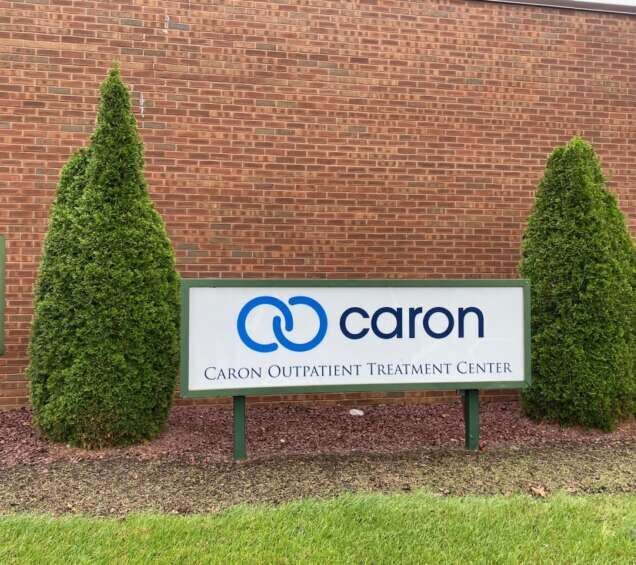
In Wyomissing, Pennsylvania, our alcoholism treatment program provides structured outpatient care for teens and adults who need help stabilizing alcohol use through outpatient care at a licensed addiction treatment center. You may seek care when drinking begins to affect your health, school, work, or family stability.
Your care begins with a clinical intake and alcohol use evaluation. We review drinking patterns, withdrawal history, and mental health symptoms, then recommend the right level of outpatient alcohol treatment in Wyomissing.
Caron Outpatient Treatment Center
845 N Park Rd, Wyomissing, PA 19610, United States
Mon: 8:00 am - 9:00 pm
Tues: 8:00 am - 9:00 pm
Wed: 8:00 am - 7:00 pm
Thurs: 8:00 am - 9:00 pm
Fri: 8:00 am - 3:00 pm
Sat: Closed
Sun: Closed
Please call (887) 544-5881 to check for availability and schedule an appointment
Outpatient Alcohol Treatment, Wyomissing
Our outpatient alcohol treatment in Wyomissing helps teens and adults receive structured care while living at home. You attend scheduled therapy sessions during the week and return home the same day. This level of care works for those balancing school, work, or family responsibilities in Wyomissing and West Reading. Treatment includes group therapy, individual counseling, and relapse prevention planning. Your care plan is based on your intake evaluation and adjusted as progress continues.
Alcohol Addiction Counseling, Wyomissing
Our alcohol addiction counseling in Wyomissing provides one-on-one therapy for teens and adults struggling with drinking patterns. You may seek counseling if you notice early relapse signs, emotional triggers, or difficulty reducing alcohol use. Sessions focus on identifying thinking patterns and stressors linked to drinking. Counseling can stand alone or support outpatient alcohol treatment in Wyomissing.
Dual Recovery Programs, Wyomissing
Our dual recovery programs in Wyomissing support teens and adults facing both alcohol use and mental health conditions. You may struggle with depression, anxiety, PTSD, or mood instability alongside drinking. Treatment addresses both alcohol use and mental health at the same time. You receive coordinated therapy and psychiatric evaluation when medication is indicated. This integrated approach helps stabilize symptoms while reducing relapse risk.
Alcohol Recovery Support, Wyomissing
Our alcohol recovery support in Wyomissing helps adults maintain sobriety after completing structured treatment. You may seek continued group support if you have finished outpatient or intensive services and want ongoing accountability. Weekly recovery maintenance groups reinforce relapse prevention skills and daily coping strategies. Sessions provide structured peer support for individuals living in Wyomissing and nearby West Reading.
Driving Directions to Our Wyomissing Center
Our Wyomissing center is located on Park Rd, with convenient access from major roads serving the Greater Reading area. On-site parking is available, including a wheelchair-accessible car park and accessible entrance for added ease.
Driving Directions from Granite Point Drive in Wyomissing:
Head southwest on Garfield Ave toward Lake Ave
Turn left at the first cross street onto Lake Ave
Turn left onto Reading Blvd
At the traffic circle, take the second exit and stay on Reading Blvd
Turn right onto Penn Ave
Turn left onto N Park Rd
Continue on N Park Rd; our center will be on the right
Questions People Ask About Alcoholism Treatment Programs in Wyomissing
The first steps toward recovery include acknowledging the problem and scheduling a professional alcohol assessment. During intake, clinicians review drinking patterns, withdrawal risk, and mental health symptoms to determine the right level of care. Early planning may include detox coordination, outpatient treatment, or counseling.
Common alcohol withdrawal symptoms include anxiety, tremors, sweating, nausea, and sleep disturbance. Symptoms typically begin within hours of the last drink and may peak within 24 to 72 hours. Severe cases can involve seizures or delirium tremens, which require medical supervision.
Alcohol addiction treatment may include FDA-approved medications such as naltrexone, acamprosate, and disulfiram. Naltrexone reduces cravings and heavy drinking days, while acamprosate helps stabilize brain chemistry after detox. These medications are most effective when combined with therapy and structured outpatient care.
Alcohol use disorder is a chronic condition that cannot be cured, but it can be effectively managed. Treatment helps reduce cravings, stabilize behavior, and build long-term recovery skills. With ongoing support and structured care, many individuals maintain sustained sobriety.

Take the next step:
- Caron in Pennsylvania 1-800-854-6023
- Caron in Florida 1-800-221-6500
- Breakthrough at Caron 1-800-213-7834
Start with an online form