The most effective alcohol addiction treatment usually combines counseling, relapse prevention, recovery support, family involvement, and treatment for co-occurring mental health conditions when needed. Many people benefit from outpatient treatment that includes accountability, recovery planning, coping strategies, and continued support after treatment.
Alcoholism Treatment Program, Atlanta
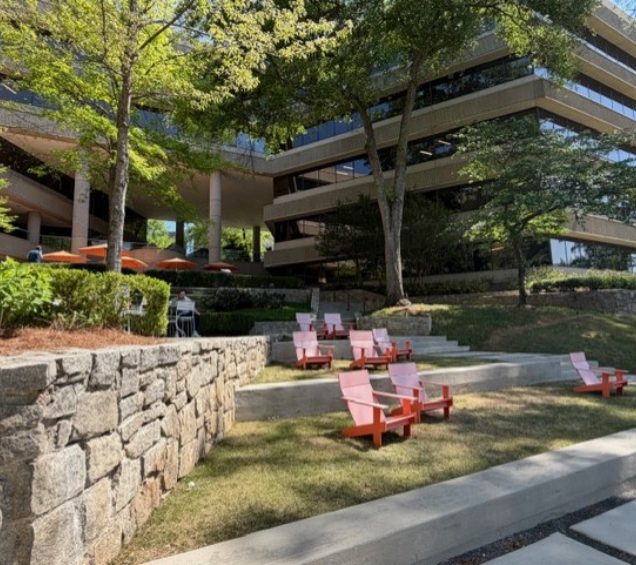
Alcohol addiction treatment in Atlanta helps people receive structured support when drinking begins affecting emotional health, relationships, work performance, or the ability to manage daily responsibilities consistently. Many adults in North Atlanta seek outpatient alcohol treatment while trying to maintain careers, family responsibilities, professional expectations, or social routines without alcohol continuing to control daily life.
Some people seek treatment after alcohol use begins affecting their emotional stability, relationships, daily responsibilities, or repeated attempts to cut back without lasting success. Others reach out after stress, work pressure, social drinking environments, or relapse concerns begin making sobriety harder to maintain without accountability and professional support.
Our addiction treatment center in Atlanta provides outpatient alcohol treatment, alcohol counseling, recovery support, family guidance, and dual diagnosis care focused on helping people strengthen accountability, improve coping habits, and maintain long-term recovery from alcohol addiction. Services may support adults, young adults, teens, and families seeking alcohol recovery support during stressful periods, relapse concerns, or early intervention needs.
Caron Treatment Centers
5901 Peachtree Dunwoody Rd NE Building C - Suite 50, Atlanta, GA 30328, United States
Mon: 8 AM - 8 PM
Tues: 8 AM - 8 PM
Wed: 8 AM - 8 PM
Thurs: 8 AM - 8 PM
Fri: 8 AM - 8 PM
Sat: Closed
Sun: Closed
Please call (877) 548-1290 to check for availability and schedule an appointment
Outpatient Alcohol Addiction Treatment, Atlanta
Outpatient alcohol addiction treatment provides ongoing recovery care while allowing people to continue work, family responsibilities, and daily routines outside of residential care. Treatment may include alcohol counseling, relapse prevention planning, recovery support, family involvement, dual diagnosis care, and neurotherapy services based on each person’s recovery needs. Flexible outpatient scheduling helps many adults continue receiving alcohol treatment while managing professional responsibilities, parenting schedules, or daily obligations throughout Atlanta.
Alcohol Counseling, Atlanta
Alcohol counseling helps people better understand the patterns, stressors, and emotional triggers connected to drinking. Counseling sessions may focus on cravings, mental health concerns, relationship problems, relapse concerns, or situations where alcohol has become difficult to manage without support. Treatment may also include dual diagnosis care, family involvement, and recovery planning based on each person’s needs. Many adults throughout Buckhead and Brookhaven seek alcohol counseling while managing work pressure, emotional stress, or ongoing alcohol-related concerns affecting daily life.
Alcohol Recovery Support, Atlanta
Alcohol recovery support helps people maintain accountability, strengthen coping habits, and stay connected to recovery during stressful periods after treatment. Services may include coaching, peer support, relapse prevention planning, family involvement, and early recovery support groups focused on helping people maintain sobriety outside of structured treatment settings. Some people seek continued support after residential or outpatient care, while others return after relapse concerns or difficult periods during recovery. Recovery support is often helpful for adults throughout Sandy Springs and Dunwoody who are rebuilding routines, reconnecting with family, or adjusting to daily life without alcohol.
Family Support for Alcohol Addiction, Atlanta
Family support for alcohol addiction helps parents, spouses, adult children, and loved ones better understand how drinking affects communication, trust, routines, and emotional health at home. Support may include family counseling, boundary-setting, recovery education, communication guidance, and healthier ways to respond to alcohol-related conflict or relapse concerns. Some families seek support while a loved one is participating in treatment, while others reach out before alcohol use becomes more severe. Many families throughout nearby Atlanta communities seek family support while managing household stress, relationship strain, or ongoing concerns about alcohol use affecting life at home.
Driving Directions to Our Atlanta Addiction Treatment Center
Our Atlanta addiction treatment center is located near the Perimeter area with convenient access from I-285, GA-400, and nearby North Atlanta roads. On-site parking is available, including a wheelchair-accessible car park and entrance.
Driving Directions from Downtown Atlanta:
Head northwest on Martin Luther King Jr Dr SW
Turn right onto Central Ave SW / Shirley C. Franklin Blvd
Continue onto Peachtree Center Ave SE
Turn right onto Ellis St NE
Take the I-75 N / I-85 N ramp
Merge onto I-75 N / I-85 N
Take Exit 251B toward I-85 N / GA-400 / Greenville
Continue onto I-85 N
Take Exit 87 for GA-400 N toward Buckhead / Cumming
Continue onto GA-400 N
Take Exit 4A for Glenridge Connector toward Peachtree Dunwoody Rd / Johnson Ferry Rd
Slight right onto the ramp to Peachtree Dunwoody Rd
Turn right onto Glenridge Connector
Turn left onto Peachtree Dunwoody Rd NE
Continue straight; our center will be on your right
Questions People Ask About Alcoholism Treatment Programs in Atlanta
Common signs of alcohol addiction include increased drinking tolerance, cravings, hiding alcohol use, mood changes, relationship problems, blackouts, and difficulty controlling how much they drink once they start. Some people also notice work problems, emotional instability, withdrawal symptoms, isolation, or repeated unsuccessful attempts to cut back.
Depression, anxiety disorders, trauma-related conditions, bipolar disorder, and other co-occurring mental health conditions commonly occur alongside alcohol addiction. Many people use alcohol to cope with emotional distress, which can make both conditions harder to manage without dual diagnosis treatment.
High-functioning alcoholism refers to people who continue managing careers, relationships, or daily responsibilities while privately struggling with alcohol dependence. Many adults in Atlanta delay treatment because they appear successful outwardly, even while drinking begins affecting their emotional health, relationships, sleep, or long-term stability.
The first several days after stopping alcohol are often the hardest because withdrawal symptoms, cravings, anxiety, sleep problems, and physical discomfort can become intense quickly. Medical support is sometimes necessary during alcohol withdrawal, especially for people with long-term or heavy drinking patterns.

Take the next step:
- Caron in Pennsylvania 1-800-854-6023
- Caron in Florida 1-800-221-6500
- Breakthrough at Caron 1-800-213-7834
Start with an online form