Both Caron and Ashley treat addiction alongside co-occurring mental health conditions. Caron may be a stronger fit when psychiatric, medical, and addiction needs require coordinated care from multiple clinical disciplines.
Caron Treatment Centers vs. Ashley Addiction Treatment
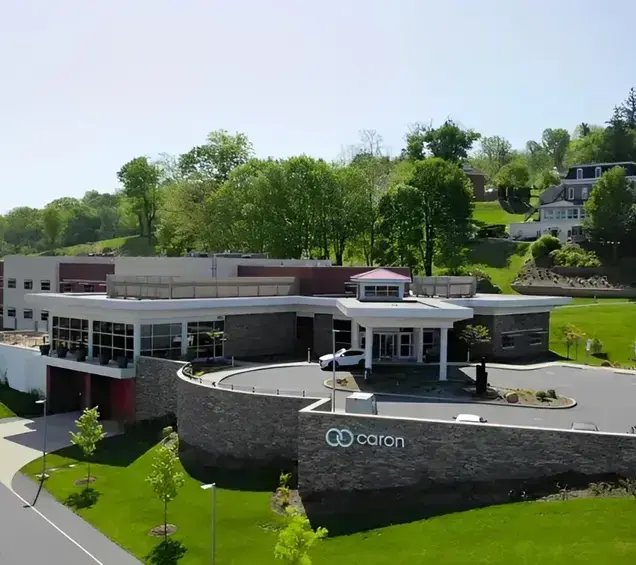
How far should you go for the right treatment? Staying closer to home can make it easier to remain connected to family and familiar support. At the same time, the closest treatment center is not always the one that best matches your needs. Finding the right fit may mean looking beyond distance alone.
Caron and Ashley are both nonprofit addiction treatment providers with decades of experience, but they offer different treatment experiences. Ashley's care is largely centered in Maryland, while Caron provides treatment through a broader, multi-location system.
Choosing between them comes down to what you need from treatment, not simply which center is closer.
Quick Overview
Caron Treatment Centers | Ashley Addiction Treatment | |
Founded | 1957 | 1983 |
Structure | Nonprofit 501(c)(3) | Nonprofit treatment provider |
Primary residential locations | Pennsylvania and Florida | Havre de Grace, Maryland |
Levels of care | Detox, residential, partial hospitalization, intensive outpatient, and outpatient care | Medical detox, residential treatment, extended care, intensive outpatient, and outpatient care |
Treatment approach | Multidisciplinary addiction and mental health care integrating medical, psychiatric, behavioral, and wellness services | Evidence-based addiction and co-occurring mental health treatment incorporating behavioral therapies, 12-Step principles, and medication when appropriate |
National accreditation | CARF | The Joint Commission |
Notable differentiators | Broad specialty programming, multiple treatment locations and levels of care, and extensive family and continuing-care resources | Pain Recovery Program, relapse-focused treatment, young adult extended care, and specialized programming for children and caregivers |
Accreditation and Licensing
Both Caron and Ashley meet recognized standards for addiction treatment, although their credentials differ. Caron is accredited by CARF, and its Pennsylvania programs also hold ASAM Level of Care Certification. Ashley is accredited by The Joint Commission and operates licensed behavioral health programs in Maryland.
These credentials provide independent oversight of areas such as patient safety, clinical practices, and organizational standards.
Clinical Approach
Both Caron and Ashley use evidence-based therapies to treat addiction and co-occurring mental health concerns. Ashley combines approaches such as CBT, DBT, motivational interviewing, trauma-informed care, and 12-step principles with psychiatric care and medications when appropriate.
Caron takes a multidisciplinary approach that brings addiction treatment together with medical, psychiatric, psychological, and wellness services. Treatment can also address factors such as trauma, sleep, nutrition, stress, and brain health as part of a more comprehensive recovery plan.
Specialty Programs and Services
Specialty programs can matter when a person's profession, age, health, or recovery history affects how treatment should be structured. Ashley stands out for its five-week Pain Recovery Program, along with dedicated programs for young adults, people who have experienced relapse, and women who need extended care.
Caron offers a broader range of specialty programming across its treatment system. Options include programs for executives and professionals, healthcare professionals, young adults, older adults, and people with chronic pain, alongside other services designed around complex clinical and recovery needs.
Family Involvement and Support
Both Caron and Ashley provide structured support for families during treatment. Ashley offers family education and support, along with a Children and Caregiver’s Program designed to help younger family members understand addiction and recovery.
Caron provides dedicated family therapists, educational programming, workshops, and ongoing resources for loved ones. Family support can also continue beyond residential treatment, helping loved ones navigate changing relationships and support recovery over time.
Locations and Treatment Settings
Where treatment takes place can affect travel, family involvement, and the transition between levels of care. Ashley centers its residential treatment on a 147-acre campus in Havre de Grace, Maryland, with outpatient, young-adult, and extended-care services available nearby.
Caron offers residential treatment in Pennsylvania and Florida, along with outpatient and recovery services in several states. This broader network can provide more geographic flexibility for people who need continued support or a different level of care after residential treatment.
Insurance and Cost Considerations
Both Caron and Ashley work with commercial insurance, but coverage depends on the specific plan, program, and treatment location. Ashley participates with several major insurers and may also work with out-of-network benefits, while Caron has different insurance arrangements across its locations and services.
Before choosing either provider, ask for a benefits verification and an estimate of your expected costs. This can help you compare coverage for the recommended level of care rather than relying on general insurance information.
How to Choose Between Caron and Ashley Addiction Treatment
Caron may be a stronger fit if you are looking for:
A broader treatment system with multiple locations and levels of care
Specialty programs for professionals, healthcare professionals, young adults, older adults, and other specific needs
Multidisciplinary care that brings addiction, mental health, medical, and wellness services together
More geographic flexibility as you move through different stages of treatment
Extensive family programming and long-term recovery support
Ashley may be a stronger fit if you are looking for:
Residential treatment in Maryland
A dedicated program for chronic pain and substance use
Longer-term support after relapse or previous treatment attempts
Extended care specifically designed for young adults
Programming that helps children and caregivers understand addiction and recovery
Frequently Asked Questions
Caron offers the broader selection of specialty programs, including services for professionals, healthcare professionals, young adults, and older adults. Ashley offers fewer specialty tracks but has distinctive options for chronic pain, relapse, young adults, and women needing extended care.
Ashley has a particularly distinctive option for this need through its five-week Pain Recovery Program. The program combines substance use treatment with pain-management approaches such as physical therapy, acupuncture, massage, and TENS.
Both have options for people who have returned to substance use after previous treatment. Ashley offers a 28-day Relapse Program and 60-plus-day extended care, while Caron can provide longer residential treatment and specialty programming based on the person's clinical needs and recovery history.
Both providers work with commercial insurance, but coverage varies by plan, location, and program. Ask each admissions team to verify benefits for the recommended level of care and explain any expected out-of-pocket costs.

Take the next step:
- Caron in Pennsylvania 1-800-854-6023
- Caron in Florida 1-800-221-6500
- Breakthrough at Caron 1-800-213-7834
Start with an online form